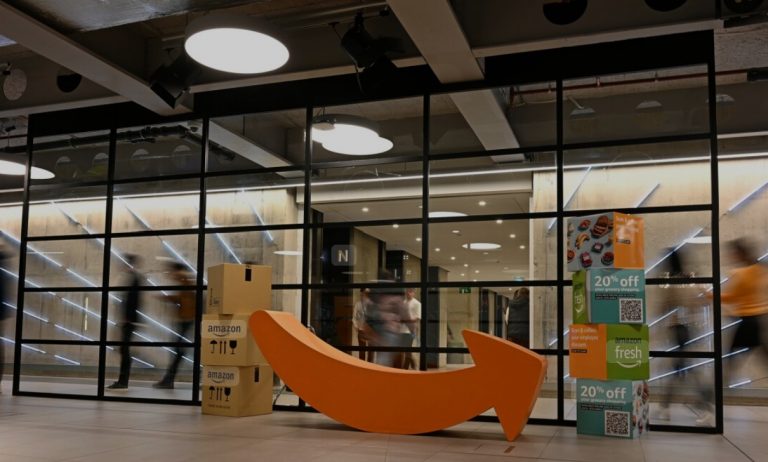
Think Like Amazon: The Blueprint Behind One of the World’s Most Successful Businesses 🚀🚀🚀
Welcome to the Think Like Amazon series – where every Monday I share insider insights from my time at Amazon and show you how to apply these leadership principles to accelerate growth in your own business. 📈
Amazon’s success is no accident. Its famous Leadership Principles aren’t just nice words on a wall – they are the DNA of every decision, every investment, every innovation. Master these, and you unlock the blueprint Amazon uses to scale and dominate markets.
👉 Today’s principle: Learn and be curious
What if curiosity was a leadership KPI in your business? 🤔
At Amazon, curiosity isn’t optional – it’s a leadership requirement.
Here’s how they live it EVERY DAY:
💡 Continuous learning. Leaders read, research, and question – every day.
💡 Challenge culture is BAU, but they always challenge process – never a person.
💡 Exploration beyond the job. Curiosity fuels innovation – most big ideas come from “What if…?” not from “we’ve always done it this way”.
💡 Never satisfied – current success is just the starting point for the next big thing – yes, this can be annoying, but it’s also super effective.
💡 Safety of asking questions – If you are not asking questions, do you even understand the subject fully?
💡 Avoidance of jargons – not the acronyms, they love those! – If you give it to read to your granny, will she understand it? If not, rewrite it.
Now think about your own organisation:
❓Does your culture reward curiosity – or just execution? Does it welcome questions from all or just a few at the top? How do you reward curiosity and lifelong learning?
If your leaders and teams aren’t constantly learning and challenging the status quo, your growth will stall.
👉 Let’s change that. DM me or visit my website.

Think Like Amazon: Ownership
Imagine if everyone in your business acted like an owner. How different would things look? 🤔 At Amazon, there’s no such thing as “that’s not my job.” Ownership means taking full responsibility for results – not just for your own tasks, but for the bigger picture. Leaders think long-term, making decisions that serve the future rather than chasing short-term wins.