Corporate headcount cuts aren’t a headline trend – they’re structural. They’re the new operating model and in 2025, we saw a clear pattern:
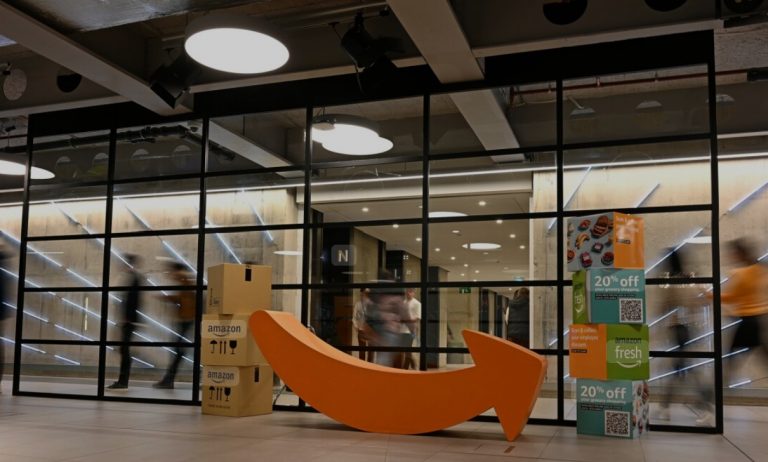
👉Amazon announced an overall reduction of ~14,000 corporate roles — explicitly linked to simplification and AI-driven efficiency.
👉Tesco (UK) planned to cut ~400 roles across stores and head office to “simplify” and fund investment.
👉BP (UK) moved to cut 4,700 jobs + 3,000 contractor roles as part of a major cost programme.
👉BT (UK) signalled AI could deepen long-term job reductions as productivity tools mature.
👉Lloyds (UK) put around 3,000 people into a process linked to cost and performance pressure.
➡️ This is why HR in 2026 will feel different, because organisations are redesigning how work gets done:
* fewer layers
* tighter spans of control
* more automation
* sharper ROI expectations on every central function
What it means for HR Leaders (and their boards):
– Org design becomes a board-level lever (not an HR “project”).
– Workforce planning must include AI adoption, not just headcount.
– Change, redeployment and comms become the difference between “efficiency” and chaos.
HR leaders, this is your blueprint of what you could do next:
👉 Audit where corporate work is duplicative or stuck in layers
👉 Build a 12–18 month workforce plan that includes AI impact + reskilling
👉 Pressure-test manager spans, decision rights and paths, and critical roles
👉 Protect the HR team’s bandwidth so they can lead this, not just absorb it
If you’re heading into 2026 with cost pressure and transformation on the agenda, I can help you stabilise the function and build a people plan that keeps pace, without undermining your in-house HR team.
DM me or our website following the link under my name.